
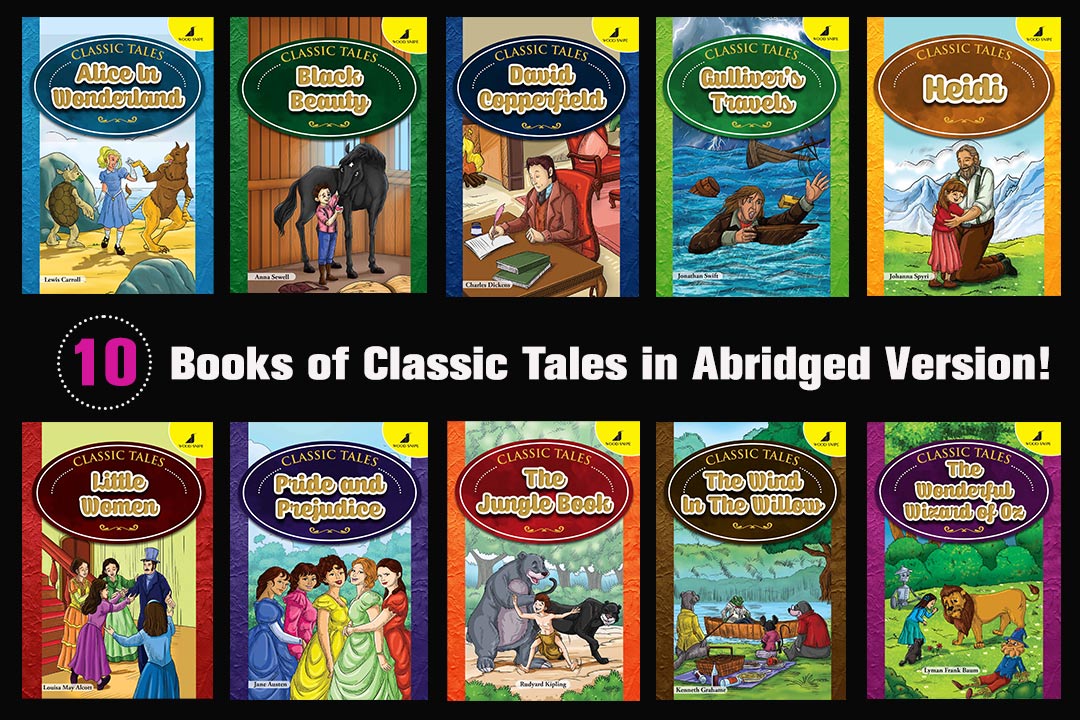
Exploring the Timeless Appeal of English Books Classics
English literature boasts a rich tapestry of classic works that have stood the test of time, captivating readers across generations. From the poetic verses of William Shakespeare to the gripping narratives of Jane Austen, these timeless masterpieces continue to hold a special place in the hearts of book lovers worldwide.
One of the most enduring aspects of English books classics is their ability to transcend temporal boundaries. Whether it’s George Orwell’s dystopian vision in “1984” or Emily Brontë’s haunting tale in “Wuthering Heights,” these works resonate with readers today just as powerfully as they did when they were first penned.
The themes explored in English classics are often universal, delving into complex human emotions, societal issues, and moral dilemmas. Through characters like Charles Dickens’ Ebenezer Scrooge or Charlotte Brontë’s Jane Eyre, readers are offered profound insights into the human condition and are encouraged to reflect on their own lives and values.
Moreover, English books classics serve as a window into different historical periods, offering valuable perspectives on the social norms, cultural practices, and political landscapes of bygone eras. Readers can immerse themselves in the Regency era with Jane Austen’s “Pride and Prejudice” or explore Victorian London through Arthur Conan Doyle’s Sherlock Holmes mysteries.
Whether you’re a seasoned literary enthusiast or a newcomer to the world of classic literature, delving into English books classics is a rewarding journey that promises intellectual stimulation, emotional resonance, and a deeper understanding of humanity. So pick up a copy of a timeless classic today and embark on an unforgettable literary adventure!
Exploring English Literary Classics: Essential Reads, Renowned Authors, Distinctive Themes, and Modern Adaptations
- What are some must-read English books classics?
- Who are some of the most famous authors of English books classics?
- How do English books classics differ from contemporary literature?
- What themes are commonly explored in English books classics?
- Are there any modern adaptations or retellings of classic English books?
What are some must-read English books classics?
When it comes to must-read English books classics, the list is as vast and diverse as the literary canon itself. From the enchanting prose of Jane Austen’s “Pride and Prejudice” to the haunting gothic tale of Mary Shelley’s “Frankenstein,” these timeless works have captured the hearts and minds of readers for centuries. The epic adventures of J.R.R. Tolkien’s “The Lord of the Rings” and the satirical wit of George Orwell’s “Animal Farm” are also considered essential reads for anyone looking to delve into the rich tapestry of English literature classics. Whether you’re drawn to romance, mystery, fantasy, or social commentary, there is a classic English book waiting to transport you to another world and leave a lasting impression on your literary journey.
Who are some of the most famous authors of English books classics?
When exploring the realm of English books classics, one frequently asked question is, “Who are some of the most famous authors?” The pantheon of renowned literary figures includes William Shakespeare, whose timeless plays and sonnets continue to captivate audiences worldwide. Jane Austen is celebrated for her insightful social commentary and memorable characters in works such as “Pride and Prejudice” and “Sense and Sensibility.” Charles Dickens’ vivid portrayals of Victorian society in novels like “Great Expectations” and “Oliver Twist” have left an indelible mark on literature. Other notable authors of English books classics include Emily Brontë, George Orwell, Charlotte Brontë, and Arthur Conan Doyle, each contributing their unique voice to the literary canon.
How do English books classics differ from contemporary literature?
English books classics differ from contemporary literature in several key ways. Firstly, classics are often revered for their enduring literary merit and cultural significance, having withstood the test of time and continuing to resonate with readers across generations. They provide a window into different historical periods, offering insights into societal norms, values, and perspectives of the past. In contrast, contemporary literature reflects the current zeitgeist, addressing modern-day issues and themes relevant to today’s society. While classics may focus on universal human experiences and timeless truths, contemporary literature tends to explore more immediate concerns and evolving narratives shaped by contemporary culture and technology. Both genres offer valuable perspectives on the human experience but do so through different lenses that reflect their respective contexts and audiences.
What themes are commonly explored in English books classics?
English books classics often delve into a wide range of timeless themes that continue to resonate with readers today. Themes commonly explored in these literary masterpieces include love and romance, social class and inequality, morality and ethics, the nature of power and corruption, the passage of time and mortality, as well as individual identity and self-discovery. Through intricate character development, rich symbolism, and thought-provoking narratives, English classics offer profound insights into the complexities of human existence and invite readers to ponder universal truths about life, society, and the human experience.
Are there any modern adaptations or retellings of classic English books?
In response to the frequently asked question about modern adaptations or retellings of classic English books, the literary world has witnessed a resurgence of creativity in reimagining timeless tales for contemporary audiences. From contemporary authors offering fresh perspectives on beloved characters to filmmakers bringing classic plots to life in innovative ways, there is no shortage of modern adaptations and retellings that breathe new life into the rich tapestry of English literature classics. These creative endeavours not only pay homage to the original works but also introduce them to a new generation of readers and viewers, showcasing the enduring relevance and adaptability of classic English books in today’s cultural landscape.