
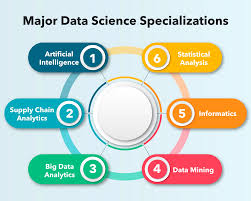
The Importance of a Data Science Major
Data science is a rapidly growing field that plays a crucial role in various industries. As the world becomes increasingly data-driven, the demand for skilled data scientists continues to rise. Pursuing a major in data science can open up a world of opportunities and equip you with the skills needed to thrive in this dynamic field.
One of the key reasons why a data science major is important is the vast amount of data being generated every day. Companies and organisations are collecting massive amounts of data, and they need professionals who can analyse this data to extract valuable insights. A data science major provides you with the knowledge and expertise to work with big data sets, apply statistical techniques, and use machine learning algorithms to uncover patterns and trends.
Furthermore, a data science major can lead to exciting career prospects. Data scientists are in high demand across industries such as healthcare, finance, marketing, and technology. By pursuing a major in data science, you can position yourself for roles such as data analyst, machine learning engineer, business intelligence analyst, and more.
In addition to technical skills, a data science major also helps you develop critical thinking abilities and problem-solving skills. Data scientists are tasked with solving complex problems using data-driven approaches, and a major in data science will teach you how to approach challenges analytically and systematically.
In conclusion, pursuing a major in data science is essential for anyone looking to enter the exciting world of big data analytics. With the right skills and knowledge gained from a data science major, you can make meaningful contributions to organisations by turning raw data into actionable insights.
8 Essential Tips for Excelling in a Data Science Major
- 1. Develop strong programming skills in languages like Python, R, and SQL.
- 2. Gain a solid understanding of statistics and mathematics to analyse data effectively.
- 3. Learn how to work with big data technologies such as Hadoop and Spark.
- 4. Familiarise yourself with machine learning algorithms and techniques.
- 5. Practice data visualisation using tools like Tableau or Matplotlib.
- 6. Stay updated on the latest trends and developments in the field of data science.
- 7. Build a portfolio of projects showcasing your data analysis skills.
- 8. Consider pursuing advanced degrees or certifications to enhance your expertise.
1. Develop strong programming skills in languages like Python, R, and SQL.
To excel in a data science major, it is crucial to develop strong programming skills in languages such as Python, R, and SQL. These programming languages are widely used in the field of data science for data manipulation, analysis, and modelling. Proficiency in Python allows for efficient data processing and machine learning implementations, while R is ideal for statistical analysis and data visualization. Additionally, mastering SQL enables you to work with databases effectively, extracting and managing data seamlessly. By honing your programming skills in these key languages, you will be well-equipped to tackle complex data challenges and thrive in the dynamic field of data science.
2. Gain a solid understanding of statistics and mathematics to analyse data effectively.
To excel in a data science major, it is crucial to acquire a strong foundation in statistics and mathematics. These disciplines serve as the backbone of data analysis, enabling students to interpret data accurately and draw meaningful conclusions. By mastering statistical concepts and mathematical techniques, aspiring data scientists can effectively analyse complex datasets, identify patterns, and make informed decisions based on data-driven insights. A solid understanding of statistics and mathematics is essential for unlocking the full potential of a data science major and succeeding in the dynamic field of big data analytics.
3. Learn how to work with big data technologies such as Hadoop and Spark.
To excel in a data science major, it is crucial to learn how to work with big data technologies like Hadoop and Spark. These tools are essential for handling and processing large volumes of data efficiently. By mastering Hadoop and Spark, students can gain valuable skills in distributed computing and data processing, which are highly sought after in the field of data science. Understanding these technologies will not only enhance one’s technical expertise but also open up a wide range of career opportunities in the rapidly evolving world of big data analytics.
4. Familiarise yourself with machine learning algorithms and techniques.
To excel in a data science major, it is crucial to familiarise yourself with machine learning algorithms and techniques. Machine learning plays a vital role in data analysis and predictive modelling, allowing data scientists to extract valuable insights from complex datasets. By understanding different machine learning algorithms and techniques, you can enhance your analytical skills and leverage the power of artificial intelligence to solve real-world problems effectively.
5. Practice data visualisation using tools like Tableau or Matplotlib.
To excel in a data science major, it is crucial to practice data visualisation using tools like Tableau or Matplotlib. Visualising data is an essential skill for data scientists as it helps in effectively communicating insights and patterns discovered in complex datasets. By utilising tools like Tableau or Matplotlib, students can learn how to create visually appealing and informative graphs, charts, and dashboards that enhance the understanding of data analysis results. This hands-on experience with data visualisation tools not only strengthens technical proficiency but also sharpens the ability to present findings in a clear and compelling manner.
6. Stay updated on the latest trends and developments in the field of data science.
To excel in your data science major, it is crucial to stay updated on the latest trends and developments in the field. Data science is a rapidly evolving discipline, with new technologies and methodologies constantly emerging. By staying informed about the latest trends, tools, and techniques in data science, you can enhance your skills, stay competitive in the job market, and adapt to the ever-changing landscape of data analysis. Continuous learning and keeping abreast of industry advancements will not only enrich your knowledge but also position you as a valuable asset in the field of data science.
7. Build a portfolio of projects showcasing your data analysis skills.
Building a portfolio of projects showcasing your data analysis skills is a crucial tip for anyone pursuing a data science major. By working on real-world projects and demonstrating your ability to analyse data effectively, you not only enhance your practical skills but also provide tangible evidence of your expertise to potential employers. A well-curated portfolio can set you apart from other candidates and showcase your problem-solving abilities, creativity in data interpretation, and proficiency in using various tools and techniques in the field of data science.
8. Consider pursuing advanced degrees or certifications to enhance your expertise.
When embarking on a data science major, it is advisable to consider pursuing advanced degrees or certifications to further enhance your expertise. Advanced degrees such as a Master’s or PhD in data science can provide you with in-depth knowledge and specialised skills that can set you apart in the competitive job market. Additionally, obtaining certifications in specific data science tools or techniques demonstrates your commitment to continuous learning and professional development, making you a more valuable asset to potential employers. By investing in further education and certifications, you can broaden your skill set and increase your career opportunities within the field of data science.