
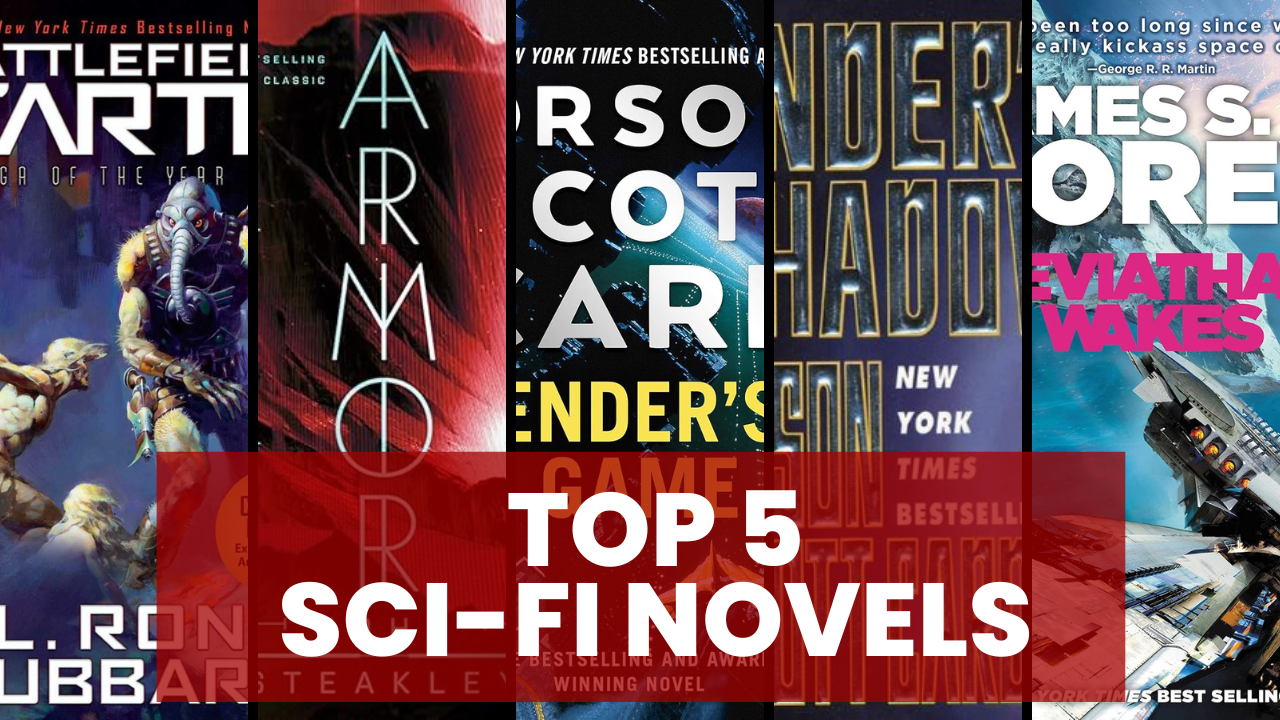
Sci-Fi Fiction: Exploring New Worlds and Big Ideas
Sci-fi fiction, short for science fiction, invites readers to imagine how science, technology and society might shape the future — or transform the world we know. Its stories may take place on distant planets, in advanced cities or in realities that feel surprisingly close to our own. Whatever the setting, science fiction uses imaginative possibilities to explore questions about humanity, progress and the choices we make.
What makes a story science fiction?
Science fiction often builds its story around a scientific or technological idea. This might be space travel, artificial intelligence, genetic engineering, time travel or life beyond Earth. Some stories draw on established scientific principles, while others imagine developments that are not currently possible.
The science does not always need to be the main attraction. A novel about a journey to another planet might also be a story about family, identity or survival. A tale about intelligent machines could explore what it means to be conscious. The imagined setting gives writers a way to examine familiar human concerns from a fresh perspective.
A genre with many possibilities
Science fiction is a broad genre, with many overlapping styles and subgenres. Space opera focuses on large-scale adventures across the universe, often featuring dramatic conflicts and far-reaching consequences. Military science fiction centres on warfare and life in the armed forces, while cyberpunk tends to explore high technology, urban life and unequal power.
Other stories look towards the future through speculative or dystopian fiction. They may imagine societies changed by climate pressures, political upheaval or new technologies. Time-travel stories, alien encounters and tales of exploration offer still more ways to approach the genre. There is no single formula: sci-fi can be thrilling, thoughtful, funny, unsettling or deeply moving.
Why readers enjoy sci-fi
For many readers, the appeal lies in the sense of wonder. Science fiction can take us beyond the familiar and show us worlds governed by different rules. It encourages curiosity about space, nature, technology and the limits of human knowledge.
It can also make the present easier to examine. By imagining a future shaped by a particular invention or social change, writers can ask what might happen if current trends continue. These stories are not predictions, but they can help readers think about responsibility, fairness and the consequences of innovation.
At its heart, the genre is often less concerned with machines than with people. Who gets to benefit from progress? What happens when technology changes our relationships or our sense of identity? How might people respond to the unknown? These questions give even the most fantastical stories an emotional centre.
Finding a sci-fi story to suit you
If you are new to science fiction, begin with the kind of story you already enjoy. Readers who like adventure might try a fast-paced space story, while those drawn to social questions may prefer a thoughtful dystopia. If character and atmosphere matter most, look for a novel that uses its speculative setting to explore personal relationships.
It can also be useful to try stories from different periods and perspectives. The genre has changed alongside real-world science and culture, and contemporary writers continue to bring new voices and ideas to it. Short stories are a good way to explore unfamiliar subgenres without committing to a full-length novel.
Imagination with a human touch
Sci-fi fiction is a celebration of possibility. It takes ideas about science and technology and turns them into stories about hope, fear, discovery and change. Whether it carries readers to the edge of the universe or presents a slightly altered version of everyday life, the genre offers a distinctive way to think about where humanity might be heading — and what we value along the way.
Exploring Sci-Fi Fiction: Answers to 7 Common Questions
- What is sci-fi fiction?
- What are the main subgenres of sci-fi fiction?
- What is the difference between science fiction and fantasy?
- Which sci-fi books are best for beginners?
- Who are some of the most influential sci-fi authors?
- Can science fiction predict the future?
- What makes a good sci-fi story?
What is sci-fi fiction?
Sci-fi fiction, short for science fiction, is a genre that explores imagined ideas about science, technology and the future. Its stories might feature space travel, artificial intelligence, time travel or life on other planets, using these possibilities to explore human experiences and questions about society. Some sci-fi feels adventurous and fantastical, while other stories imagine futures that seem close to reality.
What are the main subgenres of sci-fi fiction?
The main subgenres of sci-fi fiction include space opera, which features large-scale adventures among the stars; cyberpunk, which explores high technology and social inequality; dystopian fiction, set in oppressive or troubled societies; and military science fiction, centred on warfare and armed forces. Other popular subgenres include time-travel stories, alien-contact fiction, post-apocalyptic tales and hard science fiction, which places particular emphasis on scientific accuracy. Many works blend several subgenres, so a story might combine space exploration with political drama or a dystopian setting with advanced technology.
What is the difference between science fiction and fantasy?
Science fiction usually builds its imagined worlds around scientific ideas, technology or possibilities that could be explained—at least in theory—through science, such as space travel or artificial intelligence. Fantasy, by contrast, typically features magic, supernatural forces or imaginary beings that do not rely on scientific explanations. The boundary is not always clear, and some stories blend elements of both genres, but science fiction tends to ask “What might be possible?” while fantasy often asks “What if magic were real?”
Which sci-fi books are best for beginners?
For a first taste of sci-fi, try Andy Weir’s The Martian for an accessible survival story, or Douglas Adams’s The Hitchhiker’s Guide to the Galaxy for witty, offbeat space adventure. If you prefer a fast-paced mystery, Andy Weir’s Project Hail Mary is another engaging choice; for a thought-provoking classic, consider Ray Bradbury’s Fahrenheit 451. These books offer different styles, so the best one to start with depends on whether you enjoy humour, action or big ideas.
Who are some of the most influential sci-fi authors?
Some of the most influential science fiction authors include Mary Shelley, whose Frankenstein helped lay the foundations of the genre, and H. G. Wells, known for classics such as The Time Machine and The War of the Worlds. Later writers who shaped sci-fi include Isaac Asimov, with his stories about robots and galactic empires; Arthur C. Clarke, celebrated for visionary space fiction; Ursula K. Le Guin, whose work explored society, culture and identity; and Octavia E. Butler, renowned for her powerful explorations of humanity and power. More recent influential voices include William Gibson, a key figure in cyberpunk, and Margaret Atwood, whose speculative fiction examines social and political change.
Can science fiction predict the future?
Science fiction cannot predict the future with certainty, but it can explore how scientific discoveries and social changes might shape it. Some writers have imagined technologies or ideas that later became real, while others have used future worlds to highlight the hopes and concerns of their own time. Rather than offering prophecies, science fiction invites us to consider what could happen — and what choices might help create the future we want.
What makes a good sci-fi story?
A good sci-fi story combines an imaginative idea with believable world-building and compelling characters. Whether it explores space travel, artificial intelligence or a future society, its science-fiction elements should feel consistent within the story and help drive the plot. Most importantly, the story should explore something meaningful about people, society or the choices we make, leaving readers entertained while giving them something to think about.