
Website Content Optimisation: A Practical Guide
Website content optimisation is the process of improving your pages so they are useful to visitors, easy to understand and more likely to appear in relevant search results. It is not simply a matter of adding keywords. Strong optimisation brings together audience needs, clear writing, thoughtful page structure, accessibility and ongoing measurement.
Whether you are updating a service page, writing a blog post or reviewing an entire website, the aim is the same: help people find the information they need and make it easy for them to take the next step.
Start with your audience
Before changing a page, consider who it is for and what they are trying to achieve. A visitor may want to compare options, understand a process, solve a problem or make a purchase. Content that reflects these needs is more likely to be useful than copy written around a list of search terms.
Ask yourself:
- Who is the intended reader?
- What question or need brought them to this page?
- What do they need to know before taking action?
- What should they do after reading?
Customer questions, search data, feedback and conversations with front-line teams can all help reveal what your audience needs. Use these insights to shape the content, rather than making assumptions about what people want to read.
Understand search intent
Search intent is the reason behind a search. Someone looking for “how to choose a bicycle” probably wants guidance, while someone searching for a specific bicycle model may be ready to compare prices or buy. Your page should match the purpose behind the query.
Review the language people use and the types of pages that appear for relevant searches. This can help you decide whether a topic calls for a how-to guide, a product page, a comparison or a concise answer. Do not copy competing pages; use the research to identify what readers expect and how your content can serve them better.
Make content clear and useful
Readers often scan web pages before deciding what to read in detail. Put the most important information near the beginning, use plain English and remove material that does not help the reader. Explain specialist terms when they are necessary, and break complex ideas into manageable sections.
Useful content should be accurate, specific and complete enough to meet its purpose. Add practical details, examples or evidence where they help. Avoid making a page longer simply to reach a particular word count: every section should earn its place.
Organise pages for easy reading
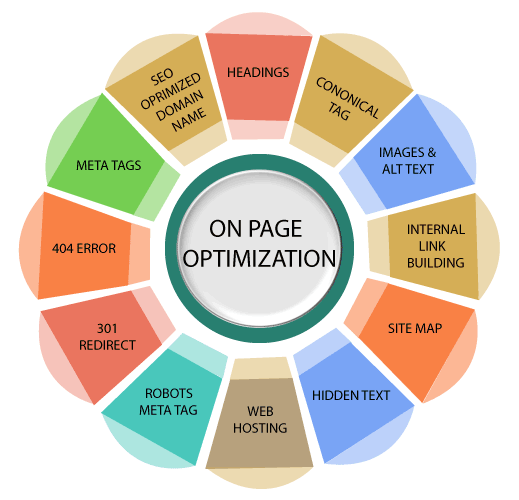
A clear structure helps visitors find information and helps search engines understand how a page is organised. Use one descriptive <h1> heading for the main topic, followed by informative <h2> and <h3> headings for sections and sub-sections.
Keep paragraphs focused, and use lists for steps, options or key points. Descriptive link text is more helpful than phrases such as “click here”. For example, “Read our guide to choosing a librarian course” tells readers what to expect before they follow the link.
Use keywords naturally
Keywords can help you understand the language people use when searching, but they should not dictate every sentence. Include the main topic and relevant terms where they fit naturally, such as in the page title, main heading and body copy. Related terms and questions can also help make the subject clear.
Avoid repeating a phrase unnaturally or creating separate pages for tiny variations of the same search. Write for people first, then check that the page clearly communicates its subject to search engines.
Improve page titles and descriptions
The title tag and meta description help summarise a page in search results. Write a unique, accurate title that describes the page and gives readers a reason to visit. A useful meta description should briefly explain what the page offers and, where appropriate, what a visitor can do next.
Search engines may sometimes display different text, so these elements are not a guarantee of how a result will appear. They are still worth reviewing as part of a well-maintained website.
Make content accessible
Accessible content can be easier for everyone to use. Write in clear language, use headings in a logical order and make sure links are understandable out of context. Provide meaningful alternative text for images that convey information; decorative images can usually be marked so assistive technologies ignore them.
Check that text has sufficient contrast, important information is not conveyed by colour alone and interactive elements can be used with a keyboard. Accessibility should be considered from the beginning, rather than added as a final check.
Keep content current
Outdated information can confuse visitors and undermine trust. Review important pages regularly, especially content about prices, policies, qualifications, services or changing regulations. Update facts and links, clarify anything that has changed and remove pages that are no longer useful.
When combining or retiring pages, consider where their visitors should go next. Redirecting old URLs to the most relevant current page can help people avoid dead ends.
Measure what matters
Content performance should be assessed against its purpose. Search visibility and visits can be useful indicators, but they do not show the whole picture. Depending on the page, you might also look at enquiries, sign-ups, completed tasks, engagement or feedback from users.
Use analytics and search performance tools to identify pages that are improving, pages that are losing visibility and topics people are searching for. Treat the data as a prompt for investigation: a change in traffic may reflect seasonality, a technical issue or a shift in audience behaviour, as well as the quality of the content.
A simple content optimisation process
- Set a goal: Decide what the page should help visitors understand or do.
- Review the evidence: Check audience questions, search data, analytics and existing feedback.
- Assess the page: Look for gaps, outdated details, unclear wording and structural problems.
- Make focused improvements: Refine the content, headings, links and page metadata.
- Check the experience: Review the page on different devices and consider accessibility.
- Monitor and refine: Measure relevant outcomes and revisit the page when needs or information change.
Make optimisation an ongoing practice
Website content optimisation is not a one-off task. Audience expectations, search behaviour and business priorities change over time. By creating useful content, presenting it clearly and reviewing its performance regularly, you can build a website that serves visitors well and supports your wider goals.
Essential FAQs on Website Content Optimisation: Understanding, Importance, Techniques, Updates, and Success Measurement
- What is website content optimisation?
- Why is website content optimisation important?
- How do I optimise website content for search engines?
- How often should I update my website content?
- How can I measure the success of website content optimisation?
What is website content optimisation?
Website content optimisation is the process of improving web pages so they meet visitors’ needs, are easy to read and navigate, and can be found through relevant search results. It may involve updating information, clarifying wording, organising content with clear headings, using search terms naturally, improving accessibility and adding useful links. The goal is to make each page more helpful to its audience while supporting the website’s wider objectives.
Why is website content optimisation important?
Website content optimisation is important because it helps visitors find clear, relevant and useful information while making it easier for search engines to understand and show your pages. Well-optimised content can improve the user experience, increase visibility in search results and encourage people to take meaningful actions, such as making an enquiry or completing a purchase. It also helps keep your website accurate, accessible and aligned with your audience’s needs.
How do I optimise website content for search engines?
To optimise website content for search engines, start by understanding what your audience is looking for and create accurate, useful content that answers their questions. Use relevant search terms naturally in your page title, main heading, subheadings and copy, without repeating them unnaturally. Organise the page with clear headings, concise paragraphs and descriptive links, and write a unique title tag and meta description. Make sure the page is mobile-friendly, accessible, quick to load and linked to from relevant pages on your site. Review performance over time and update the content when information or audience needs change.
How often should I update my website content?
There’s no single update schedule that suits every website. Review your content regularly—at least every few months—and check time-sensitive pages, such as pricing, policies, opening hours or industry guidance, whenever details change. Evergreen articles may need less frequent attention, but should still be reviewed periodically for accuracy, broken links and relevance. Use visitor feedback and performance data to help prioritise updates, and make changes when they will genuinely improve the experience or usefulness of a page.
How can I measure the success of website content optimisation?
Measure the success of website content optimisation against the goals of each page. Track relevant indicators such as organic search visibility, visits, click-through rates, time spent on the page, enquiries, sign-ups or completed purchases. Compare performance before and after changes, allowing time for results to emerge, and use analytics, search data and user feedback together. The most meaningful measure is whether the content helps visitors find what they need and take the intended next step.