
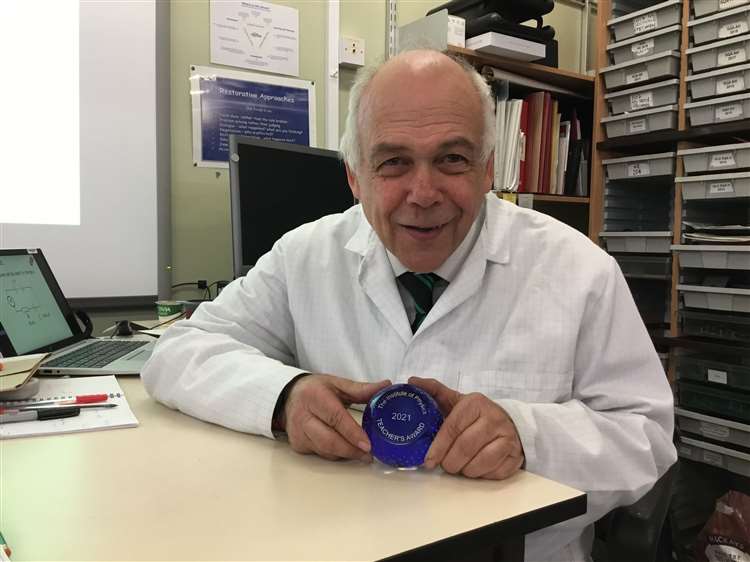
What Does a Physics Teacher Do?
A physics teacher helps pupils understand the forces, energy and principles that shape the world around them. From motion and electricity to waves and the structure of the Universe, physics offers plenty of opportunities to connect classroom learning with everyday life.
Physics teachers work in secondary schools, colleges and other educational settings. They explain scientific ideas, plan lessons, lead practical activities and assess pupils’ progress. Their aim is not only to teach the curriculum, but also to develop curiosity, clear thinking and confidence in using evidence.
What does a physics teacher do day to day?
A typical day may include teaching different year groups, preparing equipment for experiments and marking pupils’ work. Physics teachers also help pupils with calculations, explain unfamiliar concepts in different ways and make sure practical activities are carried out safely.
Other responsibilities can include:
- Planning lessons and setting learning objectives
- Demonstrating scientific principles and supervising experiments
- Assessing work and giving pupils constructive feedback
- Supporting pupils who need extra help or greater challenge
- Preparing students for tests and qualifications
- Communicating with colleagues, parents and carers
- Keeping up to date with curriculum and teaching developments
What makes a good physics teacher?
Strong subject knowledge is important, but effective teaching also depends on communication and patience. Some pupils may find equations or abstract ideas challenging, so a physics teacher needs to break complex topics into manageable steps and use examples that make them easier to grasp.
Useful qualities and skills include:
- A sound understanding of physics and mathematics
- Clear communication and confident presentation
- Patience, empathy and adaptability
- Good organisation and classroom management
- The ability to explain ideas in more than one way
- Careful attention to safety during practical work
- A genuine interest in helping young people learn
How do you become a physics teacher in the UK?
The route into teaching depends on where you plan to work, as education requirements vary across the UK. In general, aspiring secondary physics teachers need a degree in physics or a closely related subject, followed by an approved teacher-training route. Some programmes may accept a related degree if the applicant can demonstrate sufficient knowledge of physics.
In England, teachers usually need Qualified Teacher Status (QTS) to teach in many schools. Training options include university-led courses and school-based programmes. In Wales, Scotland and Northern Ireland, registration and qualification requirements are different, so applicants should check the relevant guidance from the education authorities and teaching regulators in the country where they intend to work.
People whose degree is not closely related to physics may be able to strengthen their subject knowledge through a suitable course before or during teacher training. Entry requirements vary between providers, so it is worth checking them early and asking training providers what preparation they recommend.
Where can a physics teacher work?
Physics teachers are commonly employed in secondary schools and sixth-form colleges. They may teach pupils working towards GCSEs, A levels, Scottish qualifications or other awards, depending on the setting. Some teachers move into further education, tutoring, curriculum development, education publishing or science outreach.
With experience, a physics teacher may take on additional responsibilities, such as leading a science department, mentoring trainee teachers or helping to shape the school’s curriculum. Others choose to continue developing their expertise through professional learning and specialist training.
Why choose a career in physics teaching?
Teaching physics can be a rewarding way to combine an interest in science with a meaningful role in education. Teachers help pupils build skills that are useful far beyond the classroom: asking questions, interpreting information, solving problems and making decisions based on evidence.
The work can also be demanding. Lesson preparation, assessment and wider school responsibilities require time and organisation. However, for people who enjoy explaining ideas and encouraging young people to explore how the world works, physics teaching can offer a varied and fulfilling career.
Is physics teaching right for you?
If you enjoy physics, can explain ideas clearly and find satisfaction in helping others make progress, teaching may be a good fit. Gaining experience in a school or educational setting can help you understand the realities of the job. You can also speak to teachers and training providers to learn more about the routes available in your part of the UK.
Becoming a Physics Teacher in the UK: Frequently Asked Questions
- What qualifications do you need to become a physics teacher in the UK?
- How do you train to become a physics teacher?
- How much does a physics teacher earn in the UK?
- What does a physics teacher do?
- What skills do you need to be a physics teacher?
- Is there a shortage of physics teachers in the UK?
What qualifications do you need to become a physics teacher in the UK?
To become a physics teacher in the UK, you’ll usually need a degree in physics or a closely related subject, followed by an approved teacher-training programme. The exact requirements depend on where you plan to teach: in England and Wales, you’ll generally need Qualified Teacher Status (QTS); in Scotland, you must meet the requirements for registration with the General Teaching Council for Scotland (GTCS); and in Northern Ireland, you’ll need to meet the registration requirements of the General Teaching Council for Northern Ireland (GTCNI). Check the relevant regulator and training provider for current entry requirements, as these can vary.
How do you train to become a physics teacher?
To become a physics teacher in the UK, you’ll usually need a degree in physics or a related subject, followed by an approved teacher-training programme. In England, this typically leads to Qualified Teacher Status (QTS); in Scotland, Wales and Northern Ireland, the qualification and registration requirements differ. If your degree is not closely related to physics, a subject-knowledge enhancement course may help you prepare. Check the requirements with teacher-training providers and the relevant education authority where you plan to teach.
How much does a physics teacher earn in the UK?
A physics teacher’s salary in the UK depends on experience, location and employer. As a general guide, classroom teachers often earn around £32,000–£50,000 a year, with higher pay possible in London, in some independent schools or in senior roles such as head of department. Pay scales differ across England, Scotland, Wales and Northern Ireland, and some schools may offer additional payments for particular responsibilities or recruitment needs. Check current local pay scales and job adverts for the most accurate figures.
What does a physics teacher do?
A physics teacher helps pupils understand the principles that explain how the world works, from forces and motion to electricity, waves and space. They plan and deliver lessons, demonstrate scientific ideas, supervise practical experiments and assess pupils’ progress. They also adapt their explanations to suit different learning needs, encourage curiosity and help pupils develop problem-solving and critical-thinking skills.
What skills do you need to be a physics teacher?
A physics teacher needs a strong understanding of physics and maths, along with the ability to explain complex ideas clearly and in different ways. Patience, good communication and organisation help when planning lessons and supporting pupils with varying needs and abilities. They also need confidence managing a classroom, supervising practical experiments safely, assessing progress and encouraging curiosity, problem-solving and critical thinking.
Is there a shortage of physics teachers in the UK?
Yes, physics teachers are in short supply in many parts of the UK, and schools can find it difficult to recruit and retain qualified specialists. The situation varies by region and school, but physics is often among the subjects facing recruitment pressure. This can create opportunities for aspiring teachers, although demand and training routes differ across England, Scotland, Wales and Northern Ireland.