
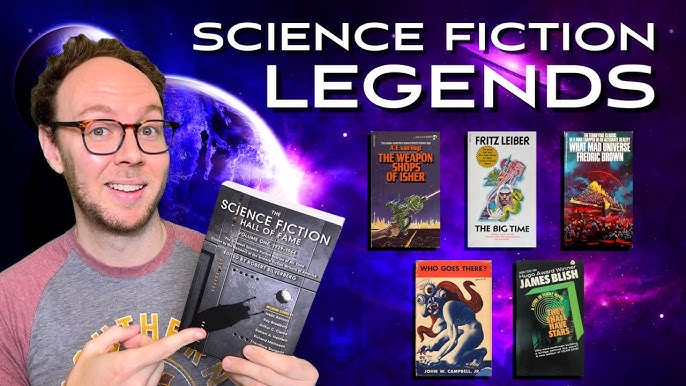
The Captivating World of Sci-Fi Writers
Science fiction, or sci-fi, is a genre that has captured the imaginations of readers for decades. At the heart of this fantastical world are the brilliant minds of sci-fi writers who create intricate universes, futuristic technologies, and compelling characters that transport us to new dimensions.
Sci-fi writers are visionaries who push the boundaries of what is possible, exploring complex themes such as artificial intelligence, space exploration, time travel, and alternate realities. Through their storytelling, they challenge our perceptions of the present and inspire us to ponder the possibilities of the future.
One of the most iconic sci-fi writers is Isaac Asimov, known for his Foundation series and Robot series. Asimov’s work delves into the ethical implications of advanced technology and explores the relationships between humans and robots in a way that remains relevant to this day.
Another celebrated figure in the world of sci-fi literature is Ursula K. Le Guin, whose works like “The Left Hand of Darkness” and “The Dispossessed” have earned critical acclaim for their exploration of gender, politics, and society within richly imagined worlds.
Sci-fi writers not only entertain us with their tales of adventure and discovery but also provoke thought and introspection about our own humanity and the world we inhabit. Their ability to create immersive worlds that challenge our beliefs and expand our horizons is what makes them true masters of their craft.
In conclusion, sci-fi writers are storytellers who transport us to distant galaxies, introduce us to alien civilizations, and make us question the very nature of reality. Their creativity knows no bounds, and their impact on literature and popular culture is undeniable. So next time you pick up a sci-fi novel, remember that you are embarking on a journey crafted by some of the most imaginative minds in literary history.
Exploring the Realm of Sci-Fi Writers: Key Questions and Insights
- Who are some famous sci-fi writers?
- What are the key themes explored by sci-fi writers?
- How has science fiction literature evolved over time?
- What makes a great sci-fi writer?
- Are there any female sci-fi writers who have made significant contributions to the genre?
- What impact have sci-fi writers had on popular culture?
- Can you recommend some must-read sci-fi novels by renowned authors?
- How do sci-fi writers come up with their imaginative ideas and concepts?
- Are there any upcoming or emerging sci-fi writers to watch out for?
Who are some famous sci-fi writers?
When exploring the realm of science fiction literature, it’s common to wonder about the notable figures who have shaped this genre. Some of the most famous sci-fi writers include Isaac Asimov, renowned for his Foundation series and Robot series that delve into the ethical implications of advanced technology; Ursula K. Le Guin, celebrated for works like “The Left Hand of Darkness” and “The Dispossessed” that explore complex themes of gender, politics, and society; and Philip K. Dick, known for mind-bending narratives such as “Do Androids Dream of Electric Sheep?” These visionary authors have left an indelible mark on the world of science fiction with their imaginative storytelling and thought-provoking concepts.
What are the key themes explored by sci-fi writers?
Sci-fi writers delve into a myriad of key themes that captivate readers and challenge conventional thinking. From exploring the implications of advanced technology and artificial intelligence to contemplating the mysteries of space exploration and time travel, sci-fi writers push the boundaries of imagination. Themes such as dystopian societies, alien encounters, alternate realities, and ethical dilemmas are common threads woven into the intricate tapestry of sci-fi literature. Through their storytelling, these writers provoke thought, spark curiosity, and offer fresh perspectives on the world we live in, prompting us to ponder the possibilities of the future and our place within it.
How has science fiction literature evolved over time?
Science fiction literature has undergone a fascinating evolution over the years, reflecting the changing landscapes of technology, society, and human imagination. From its early roots in speculative fiction and adventure stories to the sophisticated narratives of today, science fiction has expanded its horizons to explore complex themes such as artificial intelligence, genetic engineering, climate change, and existential questions about the nature of reality. As society’s understanding of science and technology has advanced, so too has the depth and breadth of science fiction literature, offering readers a diverse array of perspectives on the possibilities and consequences of our ever-changing world.
What makes a great sci-fi writer?
A frequently asked question in the realm of sci-fi literature is, “What makes a great sci-fi writer?” The answer lies in the unique ability of a great sci-fi writer to blend imagination with scientific plausibility, creating worlds that are both fantastical and believable. A great sci-fi writer possesses a keen understanding of human nature and society, allowing them to explore complex themes and moral dilemmas within the framework of futuristic settings. They challenge conventional thinking, push boundaries, and offer fresh perspectives on technology, ethics, and the unknown. Ultimately, what sets a great sci-fi writer apart is their capacity to inspire wonder, provoke thought, and leave a lasting impact on readers long after the final page has been turned.
Are there any female sci-fi writers who have made significant contributions to the genre?
In response to the frequently asked question about female sci-fi writers who have made significant contributions to the genre, the answer is a resounding yes. Female authors have played a vital role in shaping the landscape of science fiction literature with their innovative ideas, compelling narratives, and thought-provoking themes. Pioneers such as Ursula K. Le Guin, Octavia E. Butler, and Margaret Atwood have not only garnered critical acclaim but have also left a lasting impact on the genre with their unique perspectives and groundbreaking works that challenge traditional norms and push the boundaries of imagination. Their contributions have enriched the world of sci-fi writing and continue to inspire aspiring authors and readers alike.
What impact have sci-fi writers had on popular culture?
Sci-fi writers have had a profound impact on popular culture, shaping our collective imagination and influencing the way we perceive technology, society, and the future. Through their visionary storytelling, sci-fi writers have introduced iconic concepts such as time travel, artificial intelligence, extraterrestrial life, and dystopian societies that have become ingrained in our cultural consciousness. Their works have inspired countless films, TV shows, video games, and other forms of media that continue to captivate audiences worldwide. Sci-fi writers have not only entertained us with their imaginative worlds but have also sparked important conversations about ethics, morality, and the implications of scientific advancements. Their influence on popular culture is undeniable, leaving a lasting legacy that transcends literary boundaries.
Can you recommend some must-read sci-fi novels by renowned authors?
For those seeking to delve into the captivating world of science fiction literature, exploring must-read novels by renowned authors is a fantastic starting point. Some timeless classics include Isaac Asimov’s “Foundation” series, a masterful saga that delves into the future of humanity and interstellar civilizations. Ursula K. Le Guin’s “The Left Hand of Darkness” offers a thought-provoking exploration of gender and society in a richly imagined world. Additionally, Frank Herbert’s epic “Dune” takes readers on a mesmerising journey through a complex universe filled with political intrigue and ecological themes. These iconic works by celebrated sci-fi writers promise to immerse readers in imaginative realms while sparking contemplation on the boundless possibilities of the genre.
How do sci-fi writers come up with their imaginative ideas and concepts?
Sci-fi writers are often asked how they come up with their imaginative ideas and concepts. The creative process of sci-fi writers is a fascinating blend of inspiration, research, and imagination. Many draw inspiration from scientific advancements, current events, and societal trends to envision futuristic worlds and technologies. They also engage in extensive research to ensure that their ideas are grounded in scientific plausibility, even when exploring the realms of fantasy. Additionally, sci-fi writers possess a unique ability to think beyond the constraints of reality, allowing them to craft intricate narratives that challenge our perceptions and spark our imagination. Through a combination of curiosity, creativity, and a keen eye for detail, sci-fi writers bring their extraordinary ideas to life on the page, captivating readers with visions of what could be.
Are there any upcoming or emerging sci-fi writers to watch out for?
In the realm of science fiction literature, the question of emerging talents and promising voices is a topic of great interest. As the genre continues to evolve and expand, there are always new and exciting sci-fi writers on the horizon, ready to captivate readers with their fresh perspectives and imaginative storytelling. Keep an eye out for upcoming talents who are pushing boundaries, challenging conventions, and reshaping the landscape of sci-fi literature with their innovative ideas and compelling narratives. The future of science fiction writing is bright with these emerging stars waiting to shine.