
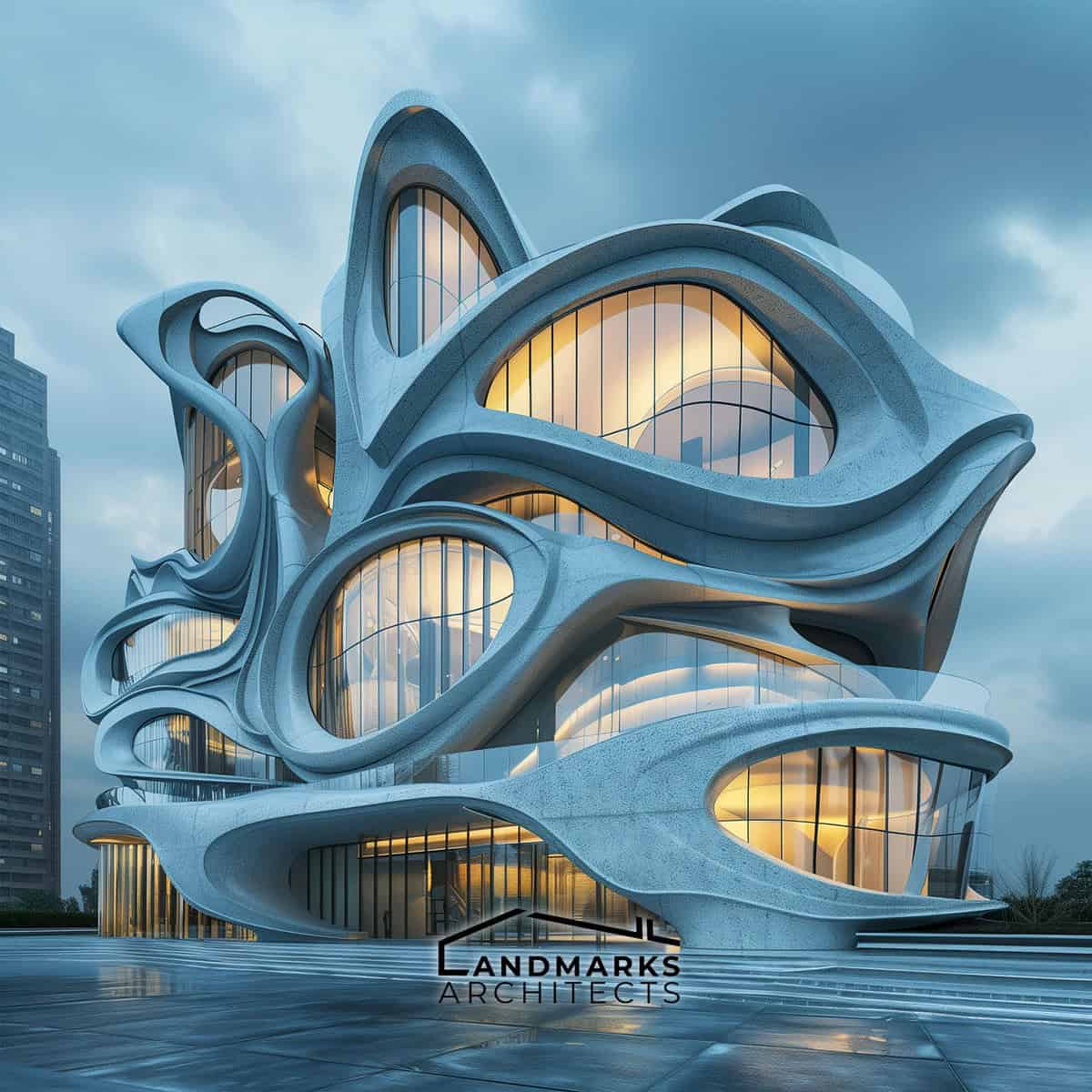
The Beauty and Significance of Architecture
Architecture is more than just buildings and structures; it is a reflection of society, culture, and history. From ancient wonders like the Pyramids of Giza to modern marvels like the Burj Khalifa, architecture has always been a testament to human creativity and ingenuity.
Architects are not just designers; they are storytellers who use bricks, concrete, and steel as their medium. Every building tells a story – whether it’s a tale of triumph, tragedy, innovation, or tradition.
Architecture shapes our environment and influences how we interact with the spaces around us. A well-designed building can inspire awe, foster community, and improve quality of life. Think of iconic landmarks like the Eiffel Tower or the Sydney Opera House – they have become symbols of their respective cities and nations.
Furthermore, sustainable architecture is gaining importance in today’s world as we strive to build greener and more eco-friendly structures. Architects are incorporating renewable energy sources, green technologies, and environmentally friendly materials into their designs to create buildings that are not just visually stunning but also environmentally responsible.
In conclusion, architecture is an art form that goes beyond aesthetics; it is a reflection of our values, aspirations, and beliefs. As we continue to innovate and push boundaries in architectural design, we shape the world around us and leave a lasting legacy for future generations.
Six Essential Tips for Designing Thoughtful and Sustainable Architecture
- Consider the local climate and environment when designing a building.
- Incorporate sustainable and energy-efficient features into your designs.
- Pay attention to the use of natural light to create a comfortable and inviting space.
- Think about how people will move through and interact with the building.
- Use high-quality materials that are durable and appropriate for the intended purpose.
- Stay informed about current trends and technologies in architecture to continually improve your work.
Consider the local climate and environment when designing a building.
When designing a building, it is crucial to consider the local climate and environment. By taking into account factors such as temperature, humidity, wind patterns, and natural light availability, architects can create structures that are not only aesthetically pleasing but also energy-efficient and sustainable. Designing with the local climate in mind allows for better thermal comfort for occupants, reduced energy consumption for heating and cooling, and overall lower environmental impact. Incorporating elements like natural ventilation, shading devices, and green spaces can help enhance the building’s performance while respecting and adapting to the surrounding environment.
Incorporate sustainable and energy-efficient features into your designs.
Incorporating sustainable and energy-efficient features into architectural designs is essential in today’s world to create buildings that not only look visually appealing but also contribute positively to the environment. By integrating renewable energy sources, green technologies, and eco-friendly materials, architects can reduce the carbon footprint of buildings and promote a more sustainable way of living. This approach not only benefits the planet by conserving resources and reducing energy consumption but also results in healthier and more cost-effective buildings for occupants in the long run.
Pay attention to the use of natural light to create a comfortable and inviting space.
When designing a space, paying attention to the use of natural light can greatly enhance the atmosphere and overall experience for occupants. Natural light has the power to create a sense of warmth, openness, and tranquillity in a room, making it feel more comfortable and inviting. By strategically incorporating windows, skylights, or other openings to allow natural light to enter a space, architects can not only reduce the reliance on artificial lighting but also promote a connection to the outdoors and improve the well-being of those within the environment. The interplay of light and shadow can add depth and character to a space, transforming it into a welcoming sanctuary that uplifts both the spirit and the senses.
Think about how people will move through and interact with the building.
When considering the design of a building, it is crucial to contemplate how individuals will navigate through the space and engage with the structure. The flow and interaction within a building can greatly impact its functionality and user experience. Architects must carefully plan for ease of movement, accessibility, and user-friendly spaces to ensure that the building serves its intended purpose effectively. By prioritising the way people move through and interact with the building, architects can create spaces that not only look visually appealing but also provide a seamless and engaging experience for occupants.
Use high-quality materials that are durable and appropriate for the intended purpose.
When it comes to architecture, a crucial tip is to use high-quality materials that are durable and suitable for the intended purpose. The choice of materials can greatly impact the longevity, functionality, and aesthetics of a building. By opting for top-notch materials that are built to last and specifically chosen to meet the requirements of the structure, architects can ensure that their designs not only stand the test of time but also fulfil their intended function effectively. Investing in quality materials is an investment in the longevity and success of a building project.
Stay informed about current trends and technologies in architecture to continually improve your work.
Staying informed about current trends and technologies in architecture is essential for continual improvement in your work. By keeping up-to-date with the latest developments in the field, you can enhance your design skills, stay competitive in the industry, and create innovative solutions that meet the evolving needs of society. Embracing new technologies and trends not only enriches your architectural practice but also allows you to push boundaries, explore new possibilities, and contribute to shaping the future of architecture.