
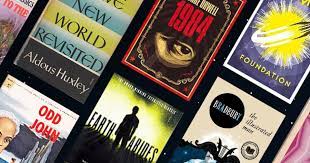
The Fascinating World of Science Fiction Literature
Science fiction literature, often abbreviated as sci-fi, is a genre that explores imaginative and futuristic concepts. It delves into scientific advancements, space exploration, technological innovations, and the impact of these developments on society and individuals.
One of the defining characteristics of science fiction is its ability to transport readers to worlds beyond our current reality. Through intricate world-building and speculative storytelling, science fiction authors create rich narratives that challenge our perceptions of the present and envision possibilities for the future.
Notable science fiction authors such as Isaac Asimov, Arthur C. Clarke, and Philip K. Dick have made significant contributions to the genre, shaping its themes and influencing generations of readers. Their works often explore themes such as artificial intelligence, time travel, extraterrestrial life, dystopian societies, and ethical dilemmas posed by scientific advancements.
Science fiction literature serves not only as a form of entertainment but also as a reflection of our aspirations, fears, and ethical considerations in an ever-changing world. It prompts readers to contemplate the consequences of scientific progress and technological innovation while sparking their imagination with visions of alternative realities.
Whether you are a seasoned sci-fi enthusiast or new to the genre, exploring science fiction literature can be a thought-provoking journey into uncharted territories of the mind. So immerse yourself in the captivating worlds created by visionary authors and let your imagination soar beyond the confines of reality.
Exploring Science Fiction Literature: FAQs on Themes, Authors, and Cultural Impact
- What is science fiction literature?
- Who are some famous science fiction authors?
- What are common themes in science fiction literature?
- How does science fiction differ from fantasy literature?
- Can science fiction predict the future?
- What are some classic science fiction novels?
- How has science fiction literature influenced popular culture?
What is science fiction literature?
Science fiction literature is a genre that encompasses imaginative narratives exploring futuristic concepts, scientific advancements, and speculative scenarios. It transports readers to worlds beyond our current reality, offering insights into technology, space exploration, artificial intelligence, and societal implications of scientific progress. Through intricate world-building and visionary storytelling, science fiction literature challenges perceptions of the present while envisioning potential futures shaped by scientific innovation. It serves as a platform for contemplating the ethical dilemmas and existential questions arising from our evolving relationship with technology and the unknown.
Who are some famous science fiction authors?
When exploring the realm of science fiction literature, one often encounters the frequently asked question: “Who are some famous science fiction authors?” Notable figures in the genre include pioneers such as Isaac Asimov, known for his groundbreaking works like the “Foundation” series, Arthur C. Clarke, celebrated for his visionary novel “2001: A Space Odyssey,” and Philip K. Dick, whose thought-provoking stories inspired iconic films such as “Blade Runner.” These acclaimed authors have left an indelible mark on science fiction with their imaginative storytelling and profound exploration of futuristic concepts, making them essential pillars of the genre’s rich literary landscape.
What are common themes in science fiction literature?
Common themes in science fiction literature encompass a wide range of thought-provoking concepts that explore the intersection of humanity and technology. Themes such as artificial intelligence, space exploration, time travel, dystopian societies, alien encounters, and the ethical implications of scientific advancements are prevalent in the genre. These recurring motifs not only serve as vehicles for imaginative storytelling but also prompt readers to contemplate the impact of technological progress on society, individual identity, and the future of humanity. By delving into these common themes, science fiction literature offers a captivating lens through which to examine our present reality and envision potential futures shaped by innovation and discovery.
How does science fiction differ from fantasy literature?
Science fiction and fantasy literature are often intertwined genres, but they have distinct characteristics that set them apart. While both genres involve speculative elements and imaginative storytelling, the key difference lies in their foundations. Science fiction is grounded in scientific principles and technological advancements, exploring the possibilities of the future based on current scientific knowledge. In contrast, fantasy literature is rooted in magic, supernatural forces, mythical creatures, and fantastical realms that defy the laws of science. While science fiction aims to extrapolate from reality and envision plausible futures, fantasy embraces the fantastical and magical elements that transport readers to enchanting worlds beyond our own.
Can science fiction predict the future?
The question of whether science fiction can predict the future is a thought-provoking inquiry that has intrigued both enthusiasts and skeptics of the genre. While science fiction literature often presents visionary depictions of technological advancements, societal changes, and scientific breakthroughs, its primary purpose is not to forecast the future with accuracy. Instead, science fiction serves as a creative exploration of possibilities, reflecting on current trends and extrapolating potential outcomes based on speculative scenarios. By envisioning alternative realities and challenging conventional wisdom, science fiction encourages readers to contemplate the implications of emerging technologies and societal shifts, offering valuable insights into the complexities of our evolving world.
What are some classic science fiction novels?
When exploring the realm of classic science fiction novels, several timeless works stand out as pillars of the genre. From Mary Shelley’s groundbreaking “Frankenstein” to H.G. Wells’ visionary “The War of the Worlds,” these early masterpieces laid the foundation for modern science fiction literature. Arthur C. Clarke’s “2001: A Space Odyssey” and Isaac Asimov’s “Foundation” series are also revered as classics that have shaped the genre with their innovative ideas and compelling narratives. These iconic works continue to captivate readers with their exploration of futuristic concepts, ethical dilemmas, and profound insights into human nature, solidifying their status as essential reads for any sci-fi enthusiast.
How has science fiction literature influenced popular culture?
Science fiction literature has had a profound impact on popular culture, shaping the way we envision the future and influencing various forms of media, including films, television shows, and video games. The imaginative concepts and futuristic scenarios depicted in science fiction novels have inspired countless creators to explore themes of advanced technology, space exploration, alien civilizations, and dystopian societies in their works. Science fiction literature has not only introduced audiences to new worlds and possibilities but has also sparked discussions about ethical dilemmas, scientific progress, and the consequences of human innovation. Its influence on popular culture can be seen in the prevalence of sci-fi themes in entertainment media and the enduring fascination with exploring the unknown frontiers of science and imagination.