
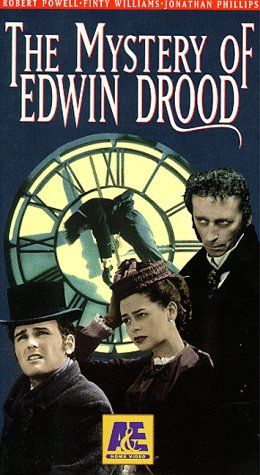
The Mystery of Edwin Drood: An Unsolved Literary Enigma
Published posthumously in 1870, “The Mystery of Edwin Drood” is a novel by Charles Dickens that has captivated readers for generations. What sets this work apart from Dickens’ other novels is its unresolved ending, due to the author’s untimely death before completing the story.
The plot revolves around the disappearance of the eponymous character, Edwin Drood, and the suspicions that fall on various characters in the small town of Cloisterham. As readers follow the twists and turns of the narrative, they are left to ponder the fate of Edwin Drood and the motivations behind his disappearance.
One of the most intriguing aspects of “The Mystery of Edwin Drood” is its open-ended nature, inviting readers to speculate on possible resolutions and outcomes. Dickens’ intricate characterisation and vivid depiction of Victorian society add layers of complexity to the story, making it a compelling mystery that continues to puzzle literary scholars and enthusiasts alike.
Despite numerous attempts by writers and scholars to provide their own endings to the novel, the true resolution remains unknown. This ambiguity has only added to the mystique surrounding “The Mystery of Edwin Drood” and solidified its status as one of literature’s most enduring enigmas.
As readers delve into this enigmatic tale, they are drawn into a world where secrets lurk beneath the surface and where truth may never be fully revealed. “The Mystery of Edwin Drood” stands as a testament to Dickens’ storytelling prowess and his ability to craft narratives that resonate across time.
Nine Compelling Reasons to Explore the Unresolved Mystery of Edwin Drood
- Intriguing and suspenseful plot that keeps readers engaged.
- Complex and well-developed characters add depth to the story.
- Captures the essence of Victorian society with vivid descriptions.
- Leaves room for reader interpretation and speculation on the ending.
- Showcases Dickens’ masterful storytelling skills and narrative technique.
- Pioneering example of a mystery novel with an unresolved ending.
- Offers a glimpse into the author’s creative process and unfinished work.
- Provides insight into the literary conventions of the 19th century.
- Prompts discussions and debates among readers about possible resolutions.
Unfinished Intrigue: The Frustrations of ‘The Mystery of Edwin Drood’
- The novel remains unfinished, leaving readers with an unresolved ending.
- Some readers may find the ambiguity and lack of closure frustrating.
- The absence of a definitive conclusion may lead to dissatisfaction for those seeking a clear resolution.
- The mystery surrounding Edwin Drood’s disappearance can be perplexing and challenging to interpret.
- Readers who prefer neatly tied-up endings may feel disappointed by the open-ended nature of the story.
Intriguing and suspenseful plot that keeps readers engaged.
One of the standout strengths of “The Mystery of Edwin Drood” is its intriguing and suspenseful plot that captivates readers from the very first page. Charles Dickens masterfully weaves a tale filled with twists, turns, and unexpected revelations, keeping readers on the edge of their seats as they eagerly follow the unfolding mystery. The intricate web of secrets and suspicions in the small town of Cloisterham adds to the tension, making it impossible to put the book down as readers are drawn deeper into the enigmatic world of Edwin Drood’s disappearance.
Complex and well-developed characters add depth to the story.
In “The Mystery of Edwin Drood,” one of the standout pros is the presence of complex and well-developed characters that add depth to the story. From the enigmatic Edwin Drood himself to the suspicious John Jasper and the spirited Rosa Bud, Charles Dickens masterfully crafts a cast of characters with intricate personalities and hidden motivations. Each character’s actions and interactions contribute to the rich tapestry of the narrative, creating a web of relationships that keeps readers engaged and guessing. The depth of characterisation in the novel not only adds layers of complexity to the plot but also offers insights into human nature and societal dynamics, making “The Mystery of Edwin Drood” a compelling read that resonates long after the final page is turned.
Captures the essence of Victorian society with vivid descriptions.
One of the notable strengths of “The Mystery of Edwin Drood” lies in its ability to capture the essence of Victorian society through vivid descriptions. Charles Dickens masterfully paints a detailed portrait of the societal norms, class distinctions, and moral dilemmas prevalent during the Victorian era. Through his rich and evocative prose, Dickens immerses readers in the intricacies of 19th-century England, bringing to life the bustling streets of Cloisterham and the complex relationships among its inhabitants. The novel’s vivid descriptions not only serve to set the scene but also provide valuable insights into the social fabric of the time, making it a compelling exploration of Victorian society.
Leaves room for reader interpretation and speculation on the ending.
One of the compelling aspects of “The Mystery of Edwin Drood” is its proclivity to leave room for reader interpretation and speculation on the ending. With Charles Dickens’ untimely death leaving the novel unfinished, readers are invited to engage in their own detective work, piecing together clues and crafting their own theories about the ultimate resolution of the mystery. This open-endedness not only sparks intellectual curiosity but also fosters a sense of active participation in unravelling the enigma of Edwin Drood’s fate, making the reading experience all the more immersive and engaging.
Showcases Dickens’ masterful storytelling skills and narrative technique.
One of the key strengths of “The Mystery of Edwin Drood” is how it showcases Charles Dickens’ masterful storytelling skills and narrative technique. Through intricate plot development, rich characterisation, and clever use of suspense, Dickens creates a gripping tale that keeps readers on the edge of their seats. His ability to weave together multiple storylines and create a sense of mystery and intrigue demonstrates his unparalleled talent as a storyteller. The novel’s enigmatic nature and unresolved ending further highlight Dickens’ skill in engaging readers and leaving them pondering the complexities of human nature and society.
Pioneering example of a mystery novel with an unresolved ending.
“The Mystery of Edwin Drood” stands out as a pioneering example of a mystery novel with an unresolved ending. Charles Dickens’ decision to leave the fate of the titular character hanging in suspense challenged traditional storytelling conventions of his time. By defying the expectation for a neatly wrapped-up conclusion, Dickens created a sense of intrigue and engagement that continues to captivate readers. This daring narrative choice not only adds depth to the mystery genre but also showcases Dickens’ innovative approach to storytelling, cementing “The Mystery of Edwin Drood” as a timeless enigma in literary history.
Offers a glimpse into the author’s creative process and unfinished work.
One notable advantage of “The Mystery of Edwin Drood” is that it provides readers with a fascinating insight into Charles Dickens’ creative process and his unfinished work. Through the novel’s incomplete state, we are given a glimpse into the mind of the author as he weaves intricate plots and develops complex characters. The unresolved nature of the story allows us to witness Dickens’ storytelling techniques in progress, shedding light on his narrative decisions and literary craftsmanship. This unique aspect of the novel offers a rare opportunity to explore the inner workings of one of literature’s greatest minds, making “The Mystery of Edwin Drood” a valuable treasure for those interested in understanding the evolution of Dickens’ writing.
Provides insight into the literary conventions of the 19th century.
“The Mystery of Edwin Drood” offers a valuable insight into the literary conventions of the 19th century. Through its intricate plot, rich characterisation, and suspenseful storytelling, the novel exemplifies the themes and techniques prevalent in Victorian literature. Charles Dickens masterfully weaves together elements of mystery, social commentary, and psychological depth, reflecting the complexities of society during that era. By exploring the moral dilemmas, societal norms, and class distinctions depicted in the novel, readers gain a deeper understanding of the cultural and literary landscape of the 19th century. “The Mystery of Edwin Drood” serves as a window into the past, shedding light on the conventions and concerns that shaped Victorian literature.
Prompts discussions and debates among readers about possible resolutions.
One of the compelling aspects of “The Mystery of Edwin Drood” is its ability to prompt discussions and debates among readers about possible resolutions. The unresolved ending of the novel leaves room for interpretation and speculation, inviting readers to engage in lively conversations about the fate of Edwin Drood and the motivations of the characters involved. This open-endedness sparks intellectual curiosity and encourages readers to delve deeper into the intricacies of the plot, fostering a sense of community as individuals share their theories and insights with one another. The mystery surrounding Edwin Drood continues to inspire thought-provoking debates that enrich the reading experience and highlight the enduring appeal of Charles Dickens’ enigmatic work.
The novel remains unfinished, leaving readers with an unresolved ending.
One of the most tantalising cons of “The Mystery of Edwin Drood” is its unfinished nature, as Charles Dickens passed away before completing the novel. This unfortunate circumstance has left readers grappling with an unresolved ending, forever pondering the fate of Edwin Drood and the ultimate resolution of the intricate plot. The absence of a definitive conclusion adds a layer of frustration and intrigue to the reading experience, as readers are left to speculate on potential outcomes and are denied closure to this captivating mystery.
Some readers may find the ambiguity and lack of closure frustrating.
For some readers, the ambiguity and lack of closure in “The Mystery of Edwin Drood” can be a source of frustration. The unresolved ending leaves questions unanswered and mysteries unsolved, leaving readers to grapple with the uncertainty of Edwin Drood’s fate. The open-ended nature of the novel may leave some longing for a definitive conclusion, as they yearn for closure and resolution to the intricate plot woven by Charles Dickens. This sense of ambiguity can evoke a sense of unease and dissatisfaction for those who prefer neatly tied-up endings in their literary journeys.
The absence of a definitive conclusion may lead to dissatisfaction for those seeking a clear resolution.
The absence of a definitive conclusion in “The Mystery of Edwin Drood” may leave some readers feeling unsatisfied, particularly those who prefer a clear resolution to a story. The open-ended nature of the novel, with its unresolved plot and unanswered questions, can be frustrating for those seeking closure. Without a concrete ending to tie up loose ends, readers may be left wondering about the fate of the characters and the ultimate resolution of the mystery. This ambiguity, while adding to the intrigue of the story, can also be a source of disappointment for those who prefer neatly wrapped-up narratives.
The mystery surrounding Edwin Drood’s disappearance can be perplexing and challenging to interpret.
The enigma of Edwin Drood’s vanishing act presents a conundrum that is both perplexing and intricate to unravel. Dickens’ deliberate ambiguity in portraying the circumstances of Drood’s disappearance leaves readers grappling with multiple interpretations and theories, each adding layers of complexity to the mystery. The elusive nature of the narrative challenges readers to engage in critical analysis and deduction, making it a tantalising puzzle that continues to intrigue and confound audiences to this day.
Readers who prefer neatly tied-up endings may feel disappointed by the open-ended nature of the story.
For readers who appreciate tidy resolutions and conclusive endings, the unresolved nature of “The Mystery of Edwin Drood” may prove to be a source of frustration. The lack of a definitive conclusion leaves loose ends dangling and questions unanswered, potentially leaving some readers feeling unsatisfied and longing for closure. The ambiguity surrounding the fate of Edwin Drood and the characters in Cloisterham may challenge those who seek clear-cut resolutions in their literary experiences, highlighting the polarising effect of Dickens’ unfinished masterpiece on different types of readers.