
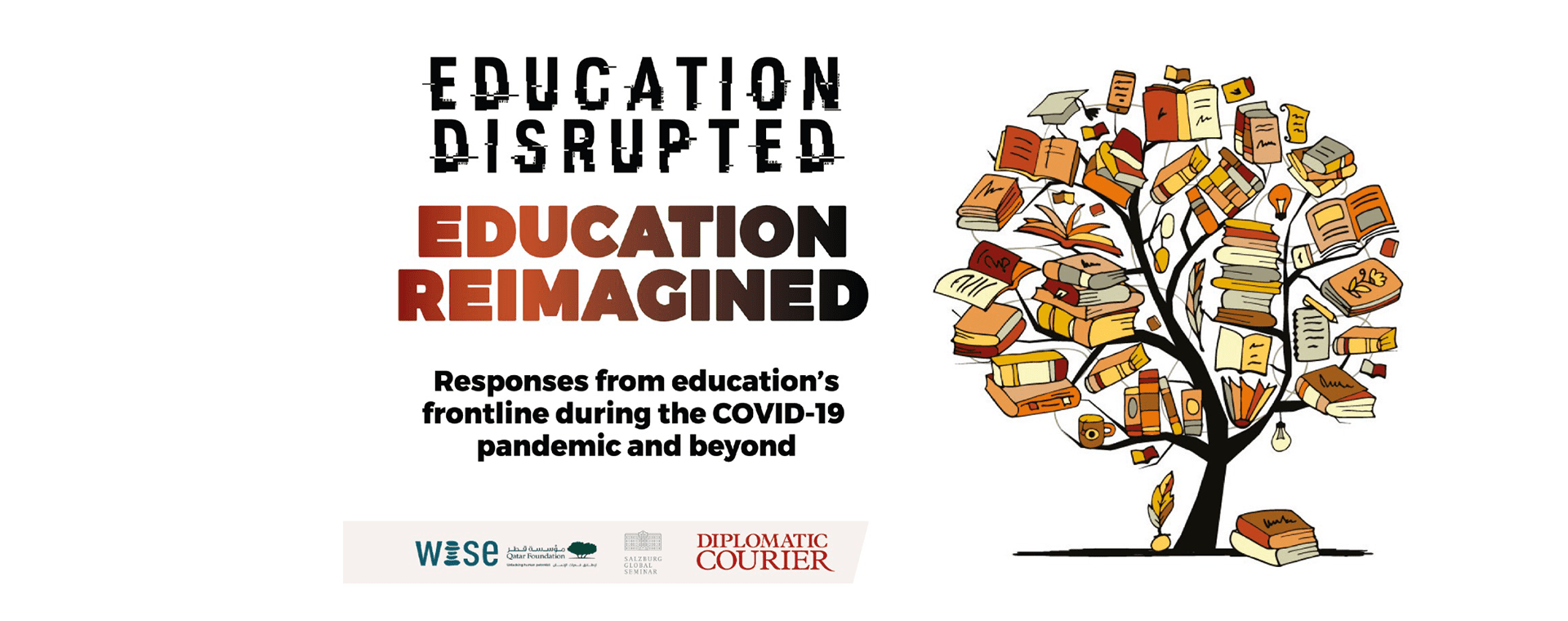
The Impact of Books on Education
Books have always been a fundamental tool in education, serving as a gateway to knowledge and a source of inspiration for learners of all ages. The role of books in shaping educational experiences cannot be overstated, as they provide valuable insights, foster critical thinking skills, and ignite a passion for learning.
One of the key benefits of incorporating books into education is the opportunity for students to explore diverse perspectives and ideas. Through reading various genres and authors, students can broaden their horizons, develop empathy, and gain a deeper understanding of different cultures and societies.
Furthermore, books serve as a catalyst for intellectual growth and academic achievement. Reading enhances vocabulary, comprehension skills, and analytical thinking, which are essential components of academic success. By engaging with complex texts and challenging ideas, students can expand their cognitive abilities and become more adept at problem-solving.
In addition to academic benefits, books also play a crucial role in character development and personal growth. Many literary works feature relatable characters facing moral dilemmas or overcoming adversity, providing readers with valuable life lessons and moral insights. By immersing themselves in the lives of fictional characters, readers can develop empathy, resilience, and a greater sense of self-awareness.
Overall, the impact of books on education is profound and multifaceted. From fostering a love for reading to enhancing critical thinking skills, books have the power to transform educational experiences and shape the minds of future generations.
Enhancing Educational Knowledge: Six Tips for Engaging with Educational Books
- Read books written by experts in the field of education to gain valuable insights.
- Explore a variety of educational theories and methodologies to broaden your understanding.
- Take notes while reading to help retain key information and concepts.
- Engage in discussions with others about the books you read to exchange ideas and perspectives.
- Apply what you learn from educational books in practical settings, such as classrooms or workshops.
- Continuously seek out new educational books to stay updated on the latest trends and research.
Read books written by experts in the field of education to gain valuable insights.
To gain valuable insights into the field of education, it is highly recommended to read books written by experts in the field. By delving into the works of renowned educators and scholars, readers can benefit from a wealth of knowledge, research-based strategies, and innovative ideas that can inform and enhance their own educational practices. These expert-authored books provide a unique opportunity to learn from the best in the field, gaining valuable perspectives and practical guidance that can help educators excel in their roles and make a positive impact on student learning outcomes.
Explore a variety of educational theories and methodologies to broaden your understanding.
To enhance your knowledge and perspective on education, it is beneficial to explore a diverse range of educational theories and methodologies. By delving into different approaches to teaching and learning, you can broaden your understanding of the complexities of education and gain valuable insights into how students acquire knowledge. Embracing a variety of educational theories allows you to appreciate the nuances of pedagogy and tailor your teaching practices to meet the diverse needs of learners.
Take notes while reading to help retain key information and concepts.
Taking notes while reading is a valuable strategy to enhance learning and retention of key information and concepts. By jotting down important points, insights, and connections as you read, you actively engage with the material and reinforce your understanding. These notes serve as a personal reference guide that can help you revisit and review crucial details later on. Additionally, the act of summarising information in your own words can aid in memory consolidation and deepen your comprehension of the subject matter. In essence, note-taking while reading is a proactive approach that not only improves retention but also enriches your learning experience.
Engage in discussions with others about the books you read to exchange ideas and perspectives.
Engaging in discussions with others about the books you read is a valuable practice that enriches the learning experience. By exchanging ideas and perspectives with fellow readers, you gain new insights, deepen your understanding of the text, and broaden your perspective on the subject matter. These discussions not only enhance your critical thinking skills but also foster a sense of community and shared knowledge. Embracing dialogue about books allows for a dynamic exchange of thoughts and opinions, creating a collaborative learning environment that enhances your overall educational journey.
Apply what you learn from educational books in practical settings, such as classrooms or workshops.
Applying the knowledge gained from educational books in practical settings, such as classrooms or workshops, is a crucial step in maximising the learning experience. By translating theoretical concepts into real-world applications, students can deepen their understanding, develop practical skills, and enhance their problem-solving abilities. This hands-on approach not only reinforces learning but also fosters creativity and innovation, enabling individuals to bridge the gap between theory and practice effectively. Embracing this tip can lead to a more engaging and enriching educational journey, where knowledge is not just acquired but actively utilised to make a tangible impact.
Continuously seek out new educational books to stay updated on the latest trends and research.
To enhance your educational knowledge and stay abreast of the latest trends and research in the field, it is essential to continuously seek out new educational books. By exploring a diverse range of educational literature, you can broaden your understanding, gain fresh perspectives, and incorporate innovative ideas into your teaching practices. Embracing lifelong learning through reading allows you to adapt to evolving educational landscapes, enrich your professional development, and ultimately empower yourself as an educator committed to excellence.