
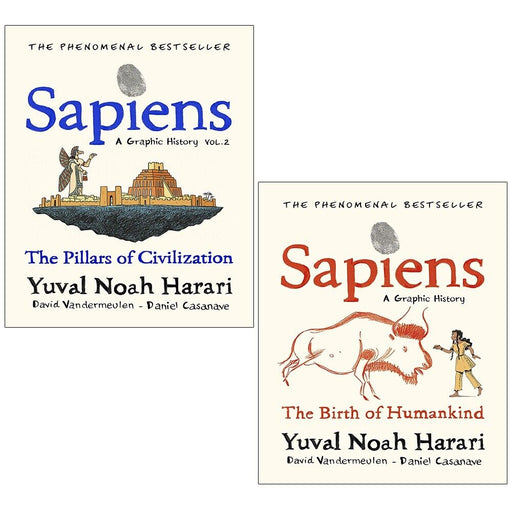
The Phenomenon of Harari’s Sapiens
Yuval Noah Harari’s groundbreaking book “Sapiens: A Brief History of Humankind” has taken the literary world by storm, captivating readers with its insightful exploration of the history and evolution of the human species.
In “Sapiens”, Harari delves deep into the origins of Homo sapiens, tracing our journey from insignificant primates to the dominant species on Earth. Through a masterful blend of history, anthropology, and biology, he paints a vivid picture of how humans have shaped the world around them and how our collective actions have influenced the course of history.
Harari’s narrative is both enlightening and thought-provoking, challenging readers to reconsider their understanding of humanity’s past, present, and future. By examining key milestones in human development, such as the Agricultural Revolution and the rise of empires, he offers fresh perspectives on our species’ capacity for innovation, cooperation, and destruction.
What sets “Sapiens” apart is not just its historical analysis but also its philosophical reflections on what it means to be human. Harari raises profound questions about our place in the universe, our relationship with other species, and the ethical dilemmas posed by our technological advancements.
As readers delve into the pages of “Sapiens”, they are confronted with a rich tapestry of ideas that challenge conventional wisdom and invite deeper contemplation. Harari’s engaging writing style makes complex concepts accessible to a wide audience, sparking conversations about humanity’s past achievements and future challenges.
Whether you are a history enthusiast, a science buff, or simply curious about the story of humankind, “Sapiens” offers a compelling journey through time that will leave you pondering the mysteries of existence long after you turn the final page.
Exploring ‘Sapiens’: Key Insights and FAQs About Yuval Noah Harari’s Acclaimed Work
- What is ‘Sapiens
- Who is Yuval Noah Harari and why is he famous?
- What are the key themes discussed in ‘Sapiens’ by Yuval Noah Harari?
- How has ‘Sapiens’ been received by critics and readers?
- What makes ‘Sapiens’ a unique and compelling read?
- Is ‘Sapiens’ suitable for readers with no background in history or anthropology?
- Are there any sequels or follow-up books to ‘Sapiens’ by Yuval Noah Harari?
What is ‘Sapiens
The frequently asked question, “What is ‘Sapiens’?” refers to Yuval Noah Harari’s acclaimed book titled “Sapiens: A Brief History of Humankind”. This captivating work delves into the evolutionary journey of Homo sapiens, exploring how our species evolved from insignificant primates to become the dominant force on Earth. Through a compelling narrative that blends history, anthropology, and biology, Harari sheds light on the pivotal moments in human history and challenges readers to reflect on the essence of being human. With its thought-provoking insights and engaging storytelling, “Sapiens” has sparked widespread interest and discussion about the origins and trajectory of humanity.
Who is Yuval Noah Harari and why is he famous?
Yuval Noah Harari is a renowned Israeli historian and author who has gained international fame for his thought-provoking insights into the history and future of humanity. He is best known for his critically acclaimed book “Sapiens: A Brief History of Humankind”, which has been widely praised for its engaging narrative style and profound exploration of the evolution of Homo sapiens. Harari’s ability to synthesise complex ideas from history, anthropology, and biology into a coherent and accessible story has captivated readers around the world. Through his work, he challenges conventional wisdom, raises important questions about our place in the world, and offers fresh perspectives on the human experience. Harari’s intellectual curiosity and interdisciplinary approach have solidified his reputation as a leading voice in contemporary discourse on society, technology, and the human condition.
What are the key themes discussed in ‘Sapiens’ by Yuval Noah Harari?
In Yuval Noah Harari’s seminal work ‘Sapiens’, several key themes are explored that shed light on the history and evolution of humankind. One prominent theme is the cognitive revolution, which delves into how Homo sapiens developed complex language and shared beliefs, enabling them to cooperate in large groups and dominate other species. Another key theme is the agricultural revolution, which transformed societies from hunter-gatherer lifestyles to settled agricultural communities, leading to profound changes in social structures and human behaviour. Additionally, Harari discusses the concept of imagined realities, highlighting how shared myths, religions, and ideologies have shaped human societies and influenced historical events. These themes collectively offer a fascinating insight into the development of human civilisation and provoke contemplation on our place in the world.
How has ‘Sapiens’ been received by critics and readers?
“Sapiens” by Yuval Noah Harari has garnered widespread acclaim from both critics and readers alike since its publication. Critics have praised the book for its engaging narrative style, meticulous research, and thought-provoking insights into the history of humankind. Readers have found “Sapiens” to be a captivating and enlightening read, with many commending Harari’s ability to distill complex ideas into accessible and compelling storytelling. The book’s success can be attributed to its ability to spark meaningful discussions about the nature of humanity and our place in the world, resonating with a diverse range of audiences across the globe.
What makes ‘Sapiens’ a unique and compelling read?
Yuval Noah Harari’s “Sapiens” stands out as a unique and compelling read due to its extraordinary ability to weave together history, anthropology, and philosophy into a captivating narrative. What sets “Sapiens” apart is not just its exploration of the past, but also its profound insights into the nature of humanity and our place in the world. Harari’s engaging writing style and thought-provoking analysis challenge readers to reconsider their understanding of human history and evolution. By delving into key moments in our collective journey, Harari offers a fresh perspective on the forces that have shaped our species and the complex interplay between culture, biology, and society. With its blend of scholarship and storytelling, “Sapiens” is a book that not only informs but also inspires reflection on the mysteries of human existence.
Is ‘Sapiens’ suitable for readers with no background in history or anthropology?
For readers with no background in history or anthropology, Yuval Noah Harari’s “Sapiens” remains accessible and engaging. Through his clear and engaging writing style, Harari skillfully navigates complex historical and anthropological concepts, making them understandable to a wide audience. While the book delves deep into the origins and evolution of humanity, Harari presents the information in a way that is both informative and thought-provoking without overwhelming readers with jargon or technical language. “Sapiens” serves as an excellent entry point for those looking to explore the history of humankind from a fresh perspective, regardless of their prior knowledge in the subject.
Are there any sequels or follow-up books to ‘Sapiens’ by Yuval Noah Harari?
Many readers of Yuval Noah Harari’s acclaimed book ‘Sapiens: A Brief History of Humankind’ often wonder if there are any sequels or follow-up books to further explore the themes and ideas presented in the original work. While Harari has not produced a direct sequel to ‘Sapiens’, he has written two other highly influential books that delve into related topics. ‘Homo Deus: A Brief History of Tomorrow’ examines the future of humanity in the age of artificial intelligence and biotechnology, offering a thought-provoking exploration of where our species may be heading. Additionally, ’21 Lessons for the 21st Century’ provides insights into the pressing issues facing society today, from politics and technology to truth and resilience. Though not direct sequels, these books by Harari continue to engage readers with his unique perspective on the past, present, and future of humankind.