
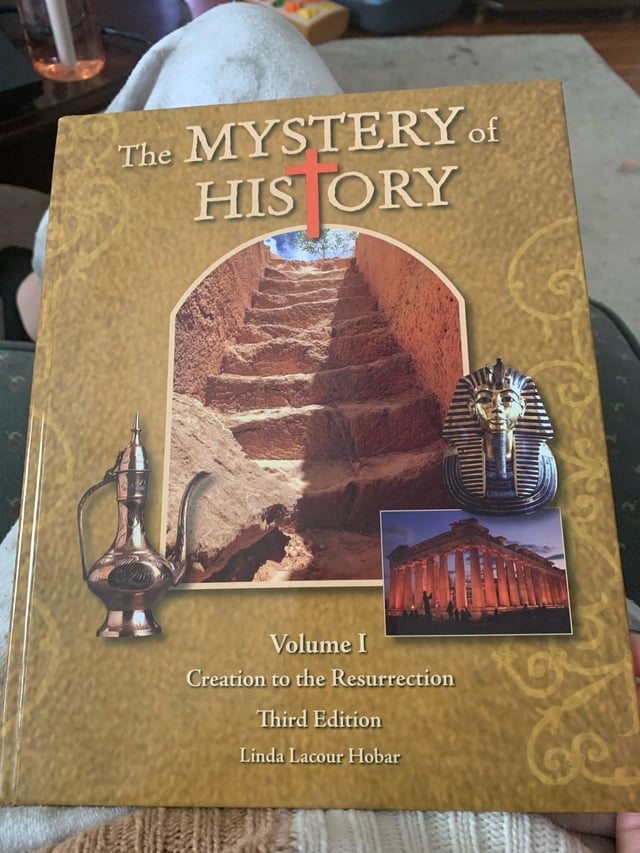
The Mystery of History
History is a vast tapestry woven with the threads of time, filled with stories of triumph and tragedy, conquests and collapses. Yet, amidst the known facts and documented events, lies a veil of mystery that shrouds certain aspects of our past.
Unravelling the mysteries of history is like embarking on a thrilling adventure, where each discovery leads to more questions than answers. Ancient civilisations that vanished without a trace, enigmatic artefacts that defy explanation, and historical figures whose true motives remain elusive – these are just a few examples of the enigmas that captivate historians and archaeologists alike.
One such mystery that continues to baffle researchers is the construction of structures like the pyramids of Egypt or Stonehenge in England. How did ancient societies, lacking modern technology, manage to create these monumental wonders with such precision? Theories abound, yet the truth remains elusive.
Another intriguing aspect of history is the existence of lost cities and civilizations. From Atlantis to El Dorado, tales of mythical lands have captured imaginations for centuries. While some dismiss these stories as mere legend, others believe that there may be kernels of truth waiting to be unearthed.
The mystery of history also extends to pivotal moments in time where events took unexpected turns or where key players acted in ways that defy logic. What really happened during the fall of Rome? Was there more to the story behind famous betrayals like that of Julius Caesar or Benedict Arnold?
In our quest to unravel the mysteries of history, we are reminded that our understanding is constantly evolving. New discoveries shed light on old riddles, while fresh perspectives challenge established narratives. The beauty of history lies not only in what we know but also in what we have yet to uncover.
So let us embrace the mystery of history with curiosity and wonder, knowing that each unanswered question brings us one step closer to unlocking the secrets of our shared past.
Unravelling the Past: Exploring History’s Greatest Mysteries and Modern Investigative Techniques
- What are some of the greatest unsolved mysteries in history?
- How do historians and archaeologists investigate historical mysteries?
- Are there any conspiracy theories surrounding famous historical events?
- What are some legendary lost cities or civilisations that continue to intrigue researchers?
- Can modern technology help solve ancient historical enigmas?
What are some of the greatest unsolved mysteries in history?
Throughout the annals of history, there have been numerous enigmas that continue to intrigue and perplex us. Some of the greatest unsolved mysteries include the disappearance of Amelia Earhart, the identity of Jack the Ripper, the fate of the lost colony of Roanoke, and the construction methods behind ancient marvels like the pyramids. These unresolved puzzles serve as reminders of the gaps in our knowledge and fuel our curiosity to delve deeper into the mysteries that have stood the test of time.
How do historians and archaeologists investigate historical mysteries?
Historians and archaeologists employ a variety of methods to investigate historical mysteries, delving deep into the past to uncover hidden truths. Through meticulous research, they analyse primary sources such as ancient texts, artefacts, and inscriptions to piece together the puzzle of the past. Excavations at archaeological sites provide valuable physical evidence, offering insights into ancient cultures and practices. By applying scientific techniques like carbon dating and DNA analysis, experts can accurately date discoveries and trace lineage, shedding light on enigmatic historical events. Collaborating across disciplines and drawing on the latest technological advancements, historians and archaeologists continue to unravel the mysteries of history with a blend of expertise, innovation, and perseverance.
Are there any conspiracy theories surrounding famous historical events?
Throughout history, there have been numerous conspiracy theories surrounding famous historical events that continue to intrigue and divide opinions. From the assassination of President John F. Kennedy to the moon landing in 1969, these theories often challenge the official narratives and raise questions about hidden agendas, cover-ups, and alternate explanations. While some dismiss conspiracy theories as mere speculation or paranoia, others believe that they offer a different perspective on well-known events and prompt us to question what we think we know about the past. The allure of conspiracy theories lies in their ability to spark debate, fuel curiosity, and keep alive the mystery of history for generations to come.
What are some legendary lost cities or civilisations that continue to intrigue researchers?
Researchers and historians are endlessly fascinated by legendary lost cities and civilisations that have captured the imagination for centuries. Among the most intriguing are Atlantis, a mythical island said to have sunk into the sea, leaving behind only speculation and mystery. El Dorado, the fabled city of gold hidden somewhere in the Americas, has also tantalised explorers and treasure hunters for generations. The enigmatic city of Pompeii, buried under volcanic ash for centuries, offers a glimpse into ancient Roman life frozen in time. These legendary lost cities continue to spark curiosity and inspire quests for answers in the ever-evolving narrative of history.
Can modern technology help solve ancient historical enigmas?
The question of whether modern technology can help solve ancient historical enigmas is a compelling one that ignites the imagination of historians and archaeologists worldwide. With advancements in fields such as remote sensing, DNA analysis, and 3D imaging, we now have tools at our disposal that were unimaginable to our predecessors. These cutting-edge technologies offer the potential to peer beneath the surface of ancient sites, decode mysterious inscriptions, and uncover hidden truths buried in the sands of time. While they cannot provide all the answers, modern technologies undoubtedly hold the key to unlocking some of the long-standing mysteries that have puzzled us for centuries.